HaldenCrewTechnical workforce for critical power Request a crew

Electrical and mechanical crews for data center and grid projects in Europe and the United States.

We source qualified tradespeople and engineers from Poland and elsewhere in Central and Eastern Europe, verify every qualification, and mobilize them to your site with the immigration, employment and site paperwork already done.

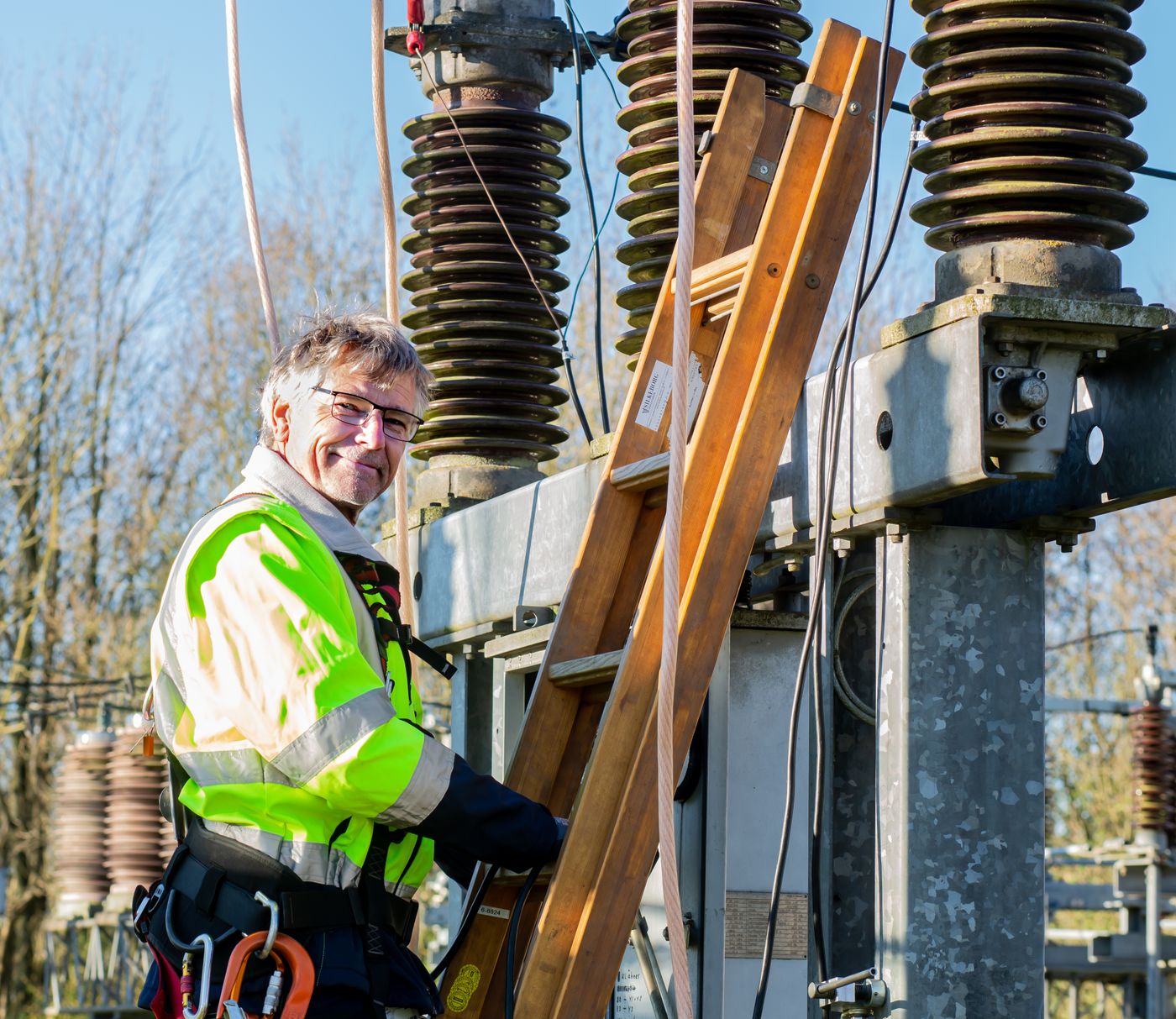
Smiling electrical worker in a high-visibility jacket and fall-protection harness at a high-voltage substation

Service summary

Disciplines
Electrical, mechanical, commissioning, HV and grid
Sourced from
Poland, the Baltics, Czechia, Slovakia, Romania
Deployed in Europe
Finland, Sweden, Norway, Denmark, Ireland, Germany, Netherlands
Deployed in the United States
Commissioning, startup and specialist teams, work-authorized before they travel
Engagement
Supervised crews, individual specialists, direct hire

The build program is ready.
The labor is not.

Data center campuses and grid upgrades are competing for the same electricians, cable splicers and commissioning engineers. Local supply ran out some time ago, and hiring from the contractor next door only moves the gap. In the United States, operators now name the shortage of electrical talent as a leading constraint on new capacity.

Central and Eastern Europe has a deep pool of qualified electrical workers with site experience on industrial and mission-critical projects. We find them, vet them, and take on the mobility and compliance work that stops most contractors from using them at scale.

Electricians needed on site, week by week, on an illustrative data center electrical package.
  1. Sourced in
    Central and Eastern Europe
    • Poland
    • Lithuania
    • Latvia
    • Estonia
    • Czechia
    • Slovakia
    • Romania
  2. Verified by HaldenCrew
    Checked before they travel
    • Certificates verified at source
    • Site references
    • Technical interview
    • English level
    • Work authorization
  3. On your site in
    Europe and the United States
    • Finland
    • Sweden
    • Norway
    • Denmark
    • Ireland
    • Germany
    • Netherlands
    • United States

Two kinds of projects. One shortage.

Data center builders and utilities are short on the same people for different reasons. We staff both, and we set each crew up for how your site actually runs.

Data center

Data center builders and operators

Your energization date does not move, and the electrical package is where the headcount runs out.

  • Crews that ramp up an electrical or mechanical package without pulling people off your other sites
  • Cable tray, busway, cable pulling and terminations, with chilled-water and liquid-cooling piping
  • Commissioning support from L1 to L5, and QA/QC teams for inspection and test plans
  • Shift technicians for the handoff to operations and for live facilities
  • Rotations planned to keep the same people on your job through energization
Request people for this
Grid and high voltage

Utilities and their contractors

Your outage windows are fixed, and every person on site has to be someone your safety rules can accept.

  • Cable splicers matched to voltage class and cable accessory manufacturer
  • Substation electricians and overhead lineworkers with references from utilities
  • Protection, control and commissioning engineers for substation and cable projects
  • Training records and references organized for your own authorization process, with the final decision left to you
  • Crews sized and scheduled around your outage windows
Request people for this

Who we supply, and what we check before they travel.

Every candidate is assessed against the role, not just the job title. We inspect original certificates and check references with previous site supervisors.

Technician working on an open electrical control panel
Fit-out
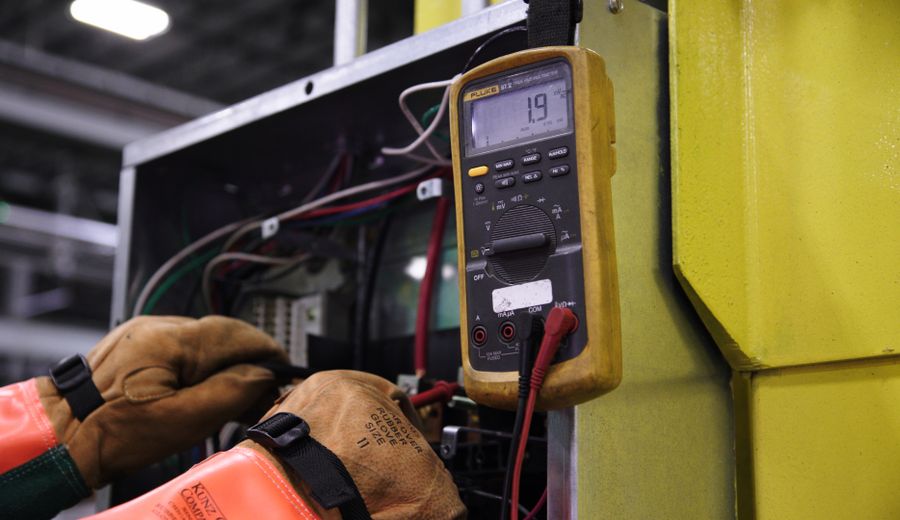
Gloved hands taking a reading with a multimeter inside a panel
Commissioning
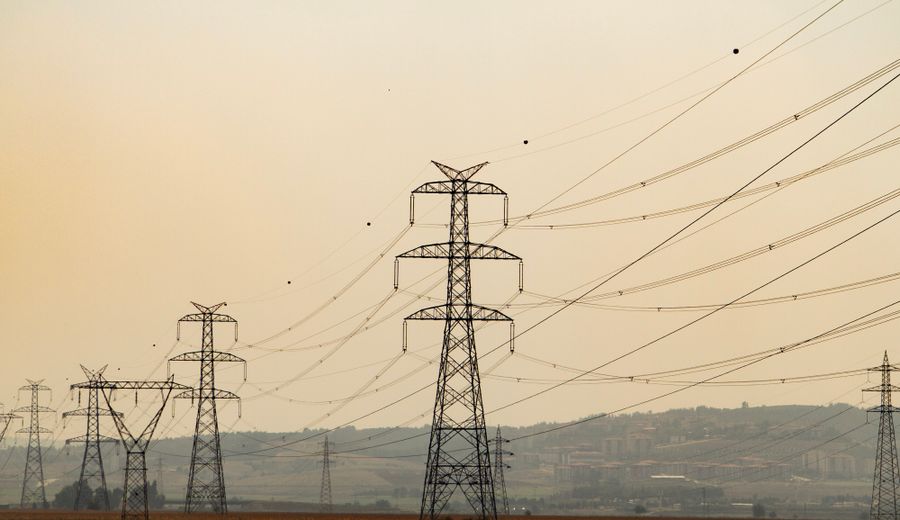
Transmission towers and overhead lines
Grid and high voltage
RoleWhat we verify
Data center construction and fit-out
Electricians and electrical installersTrade qualification and national electrical certificate (for example, Polish SEP E). Experience with cable tray, conduit, cable pulling and terminations on comparable builds.
Electrical supervisors and foremenSupervisory electrical certificate (for example, Polish SEP D), crew sizes previously run, working English for site coordination.
Pipefitters and weldersCurrent EN ISO 9606 welder qualifications, plus ASME Section IX or AWS qualifications for US work. Chilled-water and liquid-cooling piping experience.
Structured cabling and fiber techniciansCopper and fiber termination and test records. BICSI or CNet training, if held.
Mechanical and cooling engineersEngineering degree, EU F-gas certification (EPA 608 for US sites) where refrigerant work applies, chiller and liquid-cooling project history.
Commissioning, quality and operations
Commissioning technicians and engineersExperience by commissioning level, L1 to L5. CxA, BCxP or NETA certification, if held. References from integrated systems testing (IST).
QA/QC engineersISO 9001 auditor training and hands-on inspection and test plan experience on MEP packages.
Critical facilities technicians and shift engineersElectrical trade qualification, references from data center operators, CDCTP or CDCP, if held.
High-voltage switching personnel and qualified electrical workersHV switching training records and previous switching authorizations. SFS 6002 (Finland's electrical safety standard) for Finnish sites, NFPA 70E for US sites.
Operations and project managersTrack record on live facilities or new builds. CDCMP, CDFOM or PMP, if held.
Electrical design engineersEngineering degree, plus a PE license or European professional registration, if held. HV/LV, UPS and switchgear design portfolio.
Grid and high voltage
HV cable splicers (jointers)Splicing certifications by voltage class and cable accessory manufacturer.
Substation electricians and overhead lineworkersTrade qualification, voltage levels worked, references from utilities or their contractors.
Protection and control engineersRelay vendor training (Siemens, SEL, GE) and IEC 61850 project experience.
Substation commissioning engineersCommissioning records by voltage level and previous transmission-owner authorizations.
Power systems and interconnection engineersPower engineering degree. Power system study experience in PSS/E, PowerFactory or PSCAD.
Battery storage and on-site generation engineersVendor training on the installed equipment and interconnection compliance testing experience.

Senior engineering roles are filled through our own network of electrical and data center engineers, by direct introduction.

For US sites, we also check OSHA 10 or OSHA 30 cards and NFPA 70E training. A European trade certificate is not a US state license, so we confirm what each person is allowed to do on your site before we propose anyone. How we work in the United States.

Piping
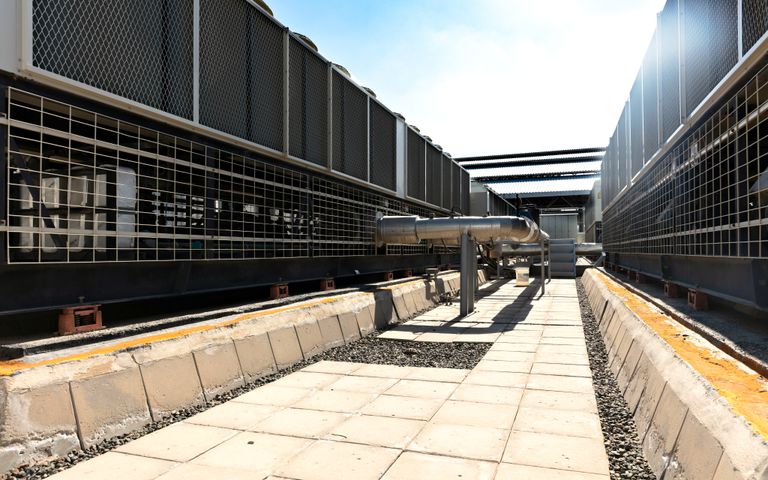
Rows of cooling units along a rooftop walkway
Cooling plant
Dense fiber patch cabling in a rack
Fiber
Server cabinets in a data hall
White space
Panel checks
Overhead lines
Switchyard
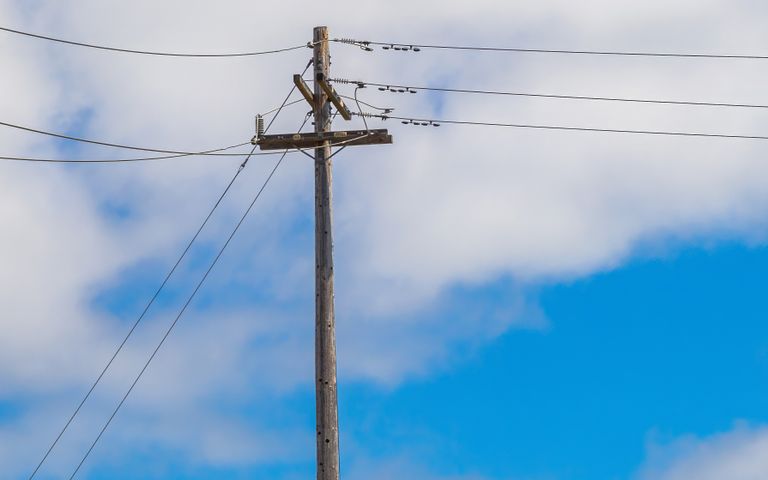
Wooden utility pole with overhead distribution lines
Distribution

From request to people on site in four steps.

  1. Step 1

    Requirements

    You send us the work package, headcount by trade, start date, duration and site rules. We confirm what is realistic and by when.

  2. Step 2

    Selection and verification

    Candidates are interviewed by people who have done the work. Certificates are verified with the issuing body and references are checked. You receive a file for each person.

  3. Step 3

    Mobilization

    In Europe, we file posted-worker notifications and obtain A1 social security certificates. For US sites, the visa is in hand before anyone travels. We arrange site credentials, travel and lodging, and people arrive ready for site orientation.

  4. Step 4

    On-site management

    Each crew has a named supervisor, and you have a single account manager. We handle timesheets, payroll, rotations and replacements.

You see the evidence before anyone travels.

Every person we propose comes with a file your site team and your client can audit. It stays current for the length of the assignment, so an expiring certificate is our problem before it is yours.

This sample shows how a file is laid out. The person is fictional.

Worker fileExample
Electrician, data center fit-outProposed for: electrical package, Finland
Trade qualificationElectrician diploma✓ checked
SEP E certificateValid, expiration tracked✓ checked
Comparable projects2 data center builds✓ checked
References2 site supervisors✓ checked
EnglishWorking proficiency, tested✓ checked
Safety trainingHost-country safety card scheduled
Posting notice and A1Filed before start

Three ways to work with us.

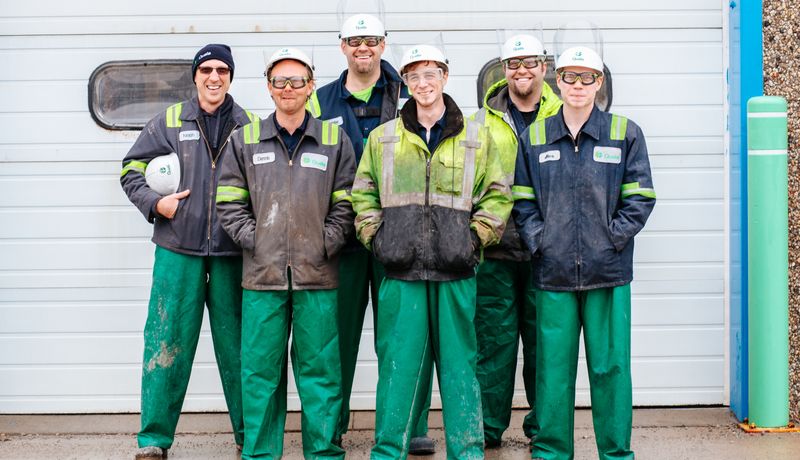
A site crew in protective clothing standing together

Supervised crews

Complete crews with their own supervisor, sized to a work package. Suited to cable tray, cabling, piping and splicing work on a fixed schedule.

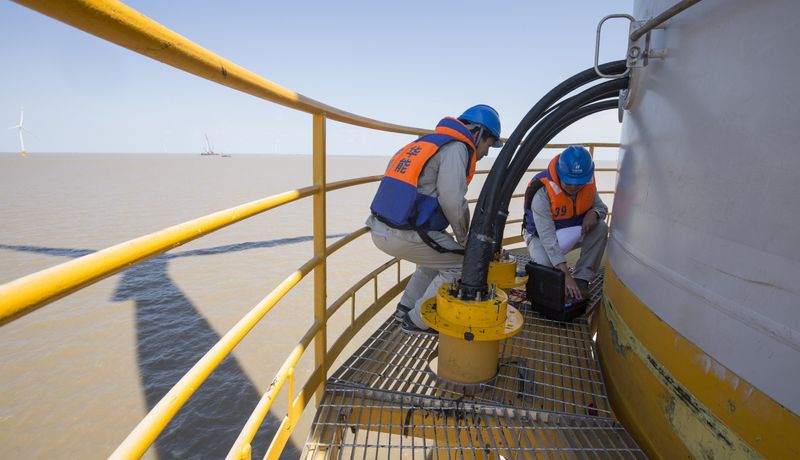
Two technicians working on cabling on an elevated platform

Individual specialists

Specialists placed on your own team for a defined period: commissioning engineers, QA/QC staff, HV switching personnel, protection engineers.

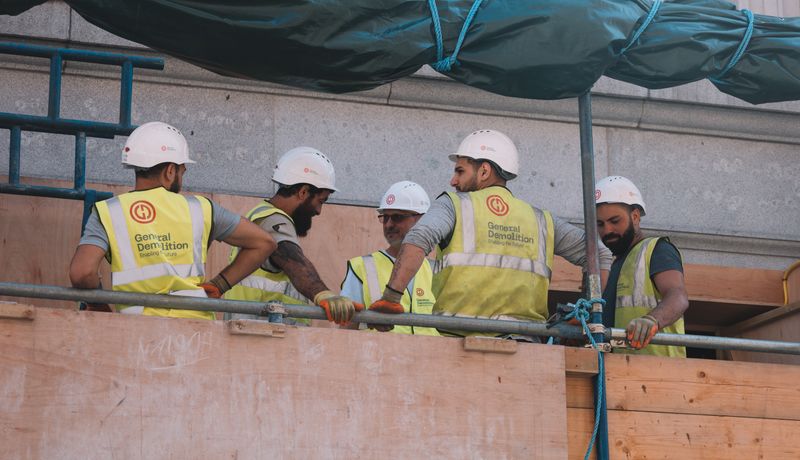
Site team in hard hats discussing the work

Direct hire

Engineers and managers who want to relocate for a long-term role, introduced directly and supported through the move.

Same people and checks. Different rules on each side of the Atlantic.

The EU's free movement of workers makes Europe fast. The United States requires a visa for every person and a license for much of the work, so we start planning US roles earlier and tell you plainly which ones we can fill.

Europe

Crews at volume, on site in weeks.

EU and EEA citizens can work in any member state, so we can deploy complete crews to a project and scale them as the work ramps up.

What we supply
Supervised trade crews, individual specialists and permanent hires across every discipline above.
How people are employed
As EU posted workers on host-country pay and terms, with posting notifications and A1 social security certificates filed before the start date.
Lead time
Typically a few weeks from a confirmed order, depending on headcount and site credentials.
United States

Specialists and startup teams, work-authorized first.

Nobody is proposed for a US site until their visa route is confirmed with immigration counsel. Routes depend on the role and the employer, and some take months.

What we supply
Commissioning and startup engineers, QA/QC staff, protection and control engineers, power systems engineers, and installation and service teams for equipment manufacturers. Permanent hires for employers who sponsor visas.
Trade labor
Electrical work is licensed state by state. We check the rules for your state and tell you up front which trade roles can be filled, and under whose license they would work.
US standards
OSHA 10 or OSHA 30, NFPA 70E and an NEC orientation completed before travel, on top of the European qualifications we verify.
Lead time
Depends on the visa route. We give you a dated plan for each role when you send your requirements.

Four legal routes onto a US site.

Which one fits depends on the role, the employer and how soon you need people. We tell you which route applies to each role in your request.

  1. Route 1

    Manufacturer installation teams

    When you buy switchgear, cooling equipment or prefabricated power modules from a European manufacturer, the manufacturer's own technicians can install, commission and service that equipment as business visitors, provided the purchase contract requires it. This covers the equipment, not general construction work.

    Fastest route
  2. Route 2

    People already authorized to work

    Polish and other European electricians who are US citizens or green card holders, recruited from established communities in Illinois, New York and New Jersey. No visa is needed.

    Start in weeks
  3. Route 3

    Temporary trade crews

    Electricians and pipefitters on H-2B temporary worker visas, for a peak-load or one-time need. The US employer files the petition, and annual visa numbers are capped, so this has to be planned months ahead.

    About six months
  4. Route 4

    Sponsored permanent hires

    Engineers, supervisors and key specialists for employers who sponsor visas, through the E-2 treaty-investor route or employment-based green cards. For roles you want to keep long term.

    Months to years

We do not use trainee or visitor visas to supply labor. Business visitor status covers only a manufacturer's own technicians working on equipment it sold (Route 1). Misusing a visa puts the worker, your project and your client at risk. State licensing applies on every route, and we check the rules for your state before proposing anyone.

Cross-border labor, done right.

General contractors carry the risk when a labor supplier gets posting rules, visas or pay wrong. We treat compliance as part of the service and give you the evidence for your own audit trail.

Europe

Posted-worker notifications
Filed with the host-country authority before work starts, with a local representative where required.
A1 social security certificates
Obtained for every worker and supplied to you on request.
Host-country pay and terms
Wages, hours and allowances set to the applicable collective bargaining agreement, not the home-country rate.

United States

Work authorization
Visa status confirmed before the start date, and Form I-9 employment eligibility verification completed for every person.
Pay and safety records
Pay set to the wage the visa class requires, and to the prevailing wage where the project requires it. OSHA and NFPA 70E training records kept in the worker file.

Every site

Site credentials
Tax IDs, safety cards and site badges arranged before arrival, so nobody is turned away at the gate.
Qualification file per worker
Certificates, translations and references in one file, kept current for the length of the assignment.

Built for the companies delivering the work.

Welder at work with sparks flying

MEP and general contractors

Electrical and mechanical packages on data center builds that need trade labor at volume.

Server racks in a data center

Data center operators and owners

Commissioning, quality and operations staff for new campuses and live facilities.

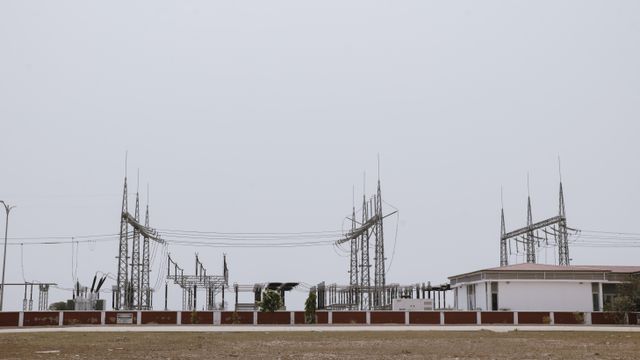
Electrical substation on open ground

Utilities and their contractors

Cable splicers, substation electricians, lineworkers and commissioning engineers for substation and cable projects.

Industrial plant with large piping and vessels

Equipment manufacturers

Installation and site-service teams for switchgear, cooling and power equipment.

What contractors ask us first.

Who employs the people on my site?

In Europe, we do. They stay on our payroll as posted workers and we carry the employer obligations in the host country. In the United States, the route determines who the employer is, and we tell you which applies before you commit.

How quickly can a crew start?

In Europe, typically a few weeks from a confirmed order, depending on headcount and site credentials. In the United States, it depends on the route: weeks for people already authorized to work, about six months for H-2B crews.

Can they work on an English-speaking site?

Supervisors and specialists have working English, tested during the interview. Every trade crew has a supervisor who handles coordination, permits and briefings with your team.

What happens if someone isn't a good fit?

Tell your account manager. Replacements and rotations are our job, and every replacement arrives with the same verified file.

How is it priced?

An hourly bill rate per trade. The proposal states exactly what the rate includes: wages at the rate required where the work is done, travel, lodging and our on-site management.

Can you supply electricians to the United States on trainee visas?

No. Trainee and visitor visas do not allow productive work, and using them that way exposes you and your client to legal risk. We use only the four routes described above.

Tell us what you need on site.

Send the trades, headcount, country or US state, and start date. We reply within one business day with availability and a rate proposal.

Phone
[YOUR PHONE]
Offices
[YOUR OFFICE LOCATIONS]
Request a crew